


Traveller Stories
Papua, 1990: A Journey Remembered
Warwick Barnes · 1 November 2026
Small aircraft, shared bread, and encounters in Wamena on a journey with Irham Ilyas.
Part 1 of 3 · Papua, 1990: A Journey Remembered
By Warwick Barnes
Editor’s note: This series is adapted from Warwick Barnes’s account of a journey made in 1990. Historical place names and descriptions of travel arrangements reflect his recollections of that time.
One of my clearest memories of Irian Jaya is of breaking and sharing freshly baked bread with Irham Ilyas in a single-engine aircraft. Below us lay the mist-covered mountains of central New Guinea. There were not enough seat belts for everyone on board.
It was an unlikely setting for such a simple pleasure. Yet the camaraderie of that moment has stayed with me, along with the enormous respect I developed for Irham during our travels together.
The Journeys That Came Before
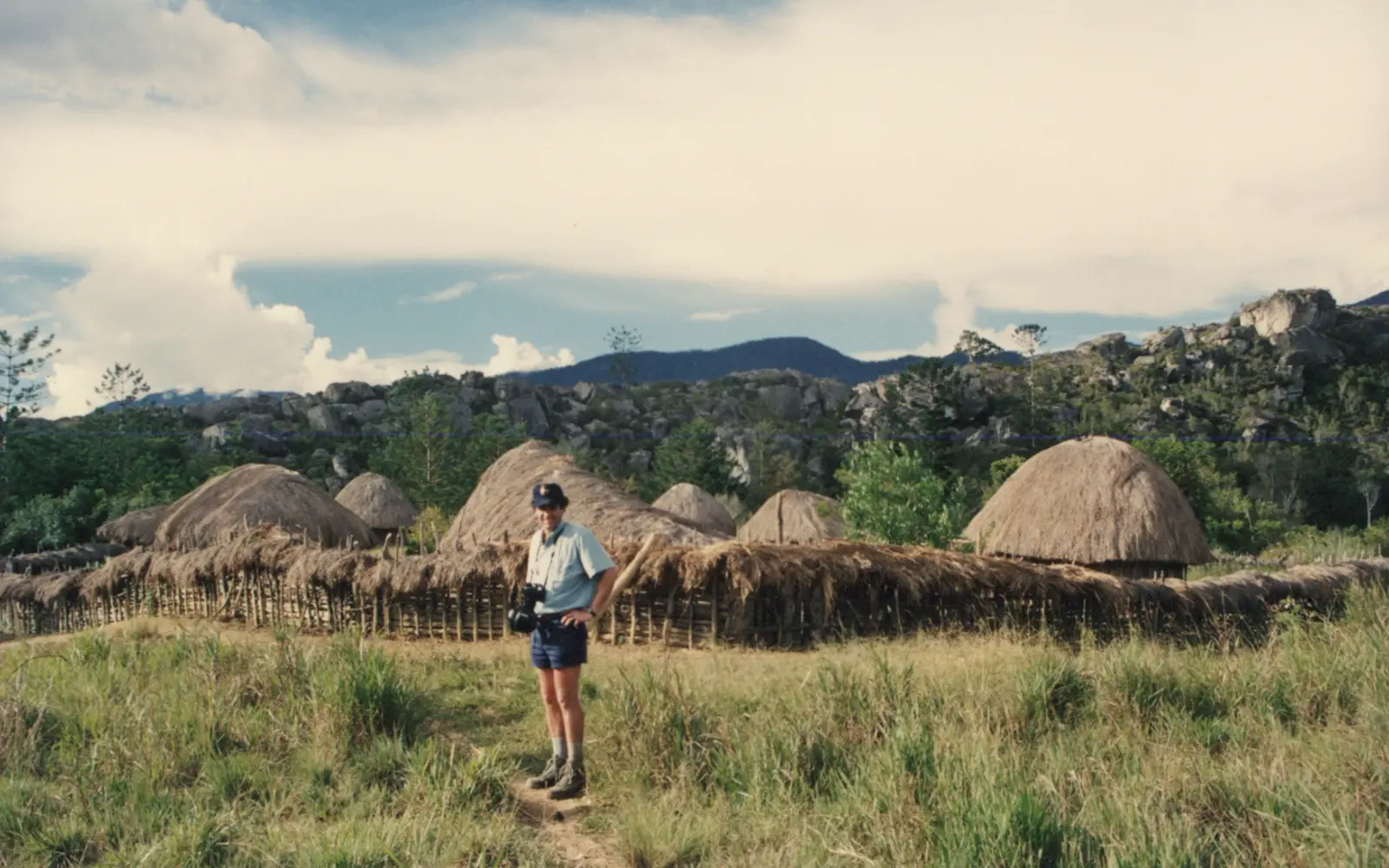
Our 1990 journey to the western end of New Guinea, then known as Irian Jaya, completed a trilogy of adventures. In 1986, an invitation from Herman Nari had taken Ken and me to a funeral in Tana Toraja. Two years later came a journey along the Mahakam River in Borneo.
Those three destinations were reflected in the name of Irham’s adventure travel company: PA for Papua, CE for Celebes, or Sulawesi, and BO for Borneo. Together, they formed PACEBO.
Before the earlier journeys, the lack of available information had given us plenty to worry about. Once there, we adjusted to the circumstances we encountered. Irian Jaya demanded that same willingness to adapt, along with more physical effort than either of the previous trips. Internal travel required flexibility and patience.
Looking back, the inconveniences seem small beside the experience itself. There were three fortunate travellers on that journey. Perhaps extremely fortunate is the better description.
Travelling with Irham
This was my first trip with Irham Ilyas. His planning skills became apparent as the journey unfolded, but so did his ability to work through the situations that no itinerary could fully anticipate.
I came to appreciate both. Arranging transport was one challenge; speaking with village elders and negotiating access to places we hoped to visit were others. Throughout the trip, I saw how much depended on his conversations with the people we met.
The bread shared above the mountains remains a particularly clear memory of our time together. In the middle of an uncertain journey, there was that small moment of companionship.
Encounters in Wamena
Wamena left me with vivid impressions of everyday life. In the marketplace, betel nut had stained the spit red, and it collected in the storm-water drains.
I also remember the small restaurant run by Sjam Chandra and his wife. Some of their meals could rival those of Kupa Beach Resort. Their restaurant became one of the places I would recall with pleasure long after the journey.
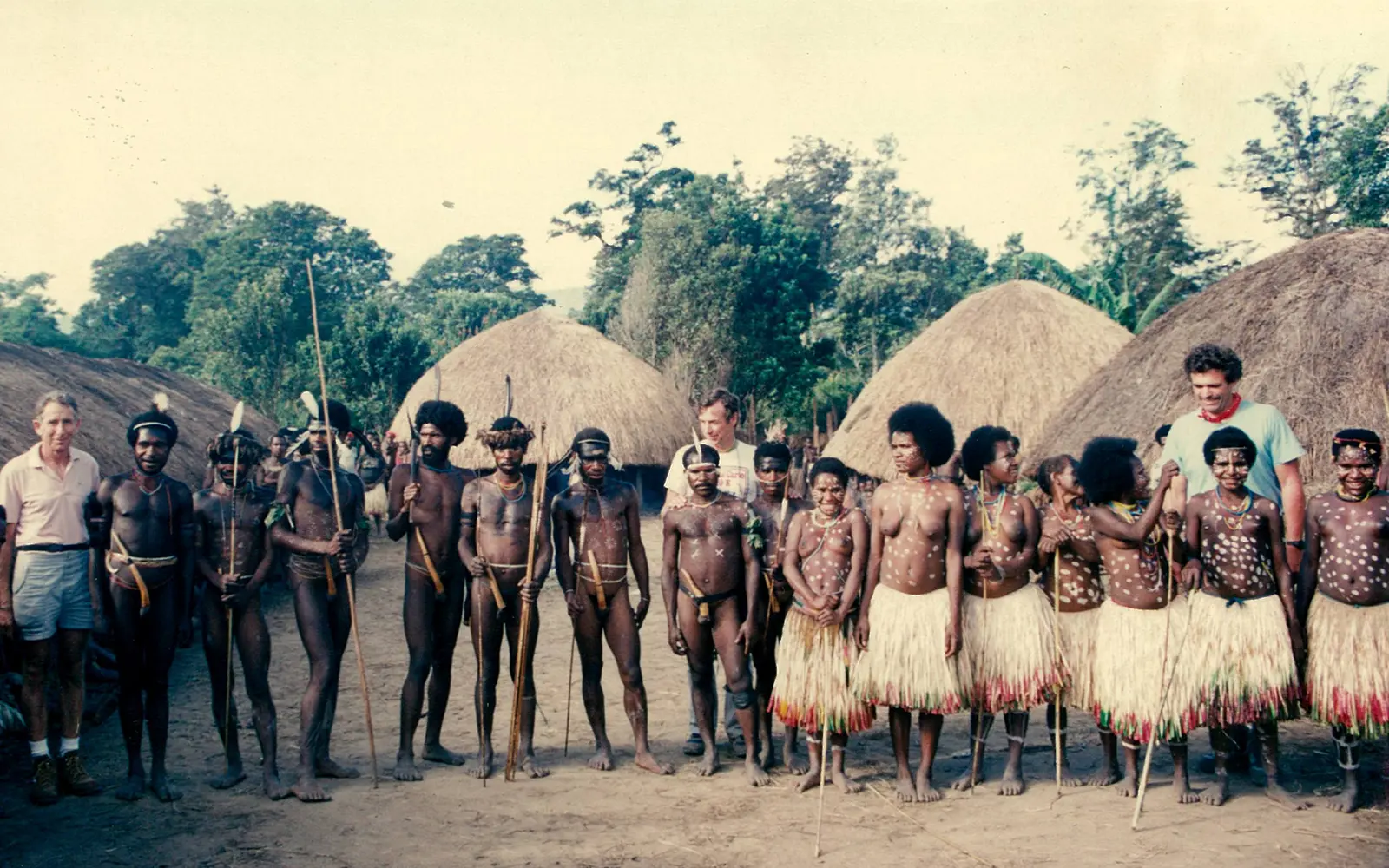
It was Sjam who organised a village visit for us at very short notice. During the afternoon, men used a bow and a single arrow to kill a small pig, which was then wrapped in leaves and cooked over a small fire.
A couple of years later, a missionary in Australia who had experience in New Guinea saw my photographs of that afternoon. He was surprised and told me that the practice had been stopped by Indonesian authorities. That was his account; what I remembered was the pleasant afternoon Sjam had helped arrange.
These were among the encounters that gave the journey its character. Alongside the practical demands of travelling through Irian Jaya, there were meals, conversations, and shared experiences that remained remarkably clear in my memory.
Next in the series: Asmat, 1990: Along the Rivers.