


Tips
Best Time to Visit Toraja
Pacébo · 15 July 2026
After the harvest, discover the ceremonies, ancestral beliefs and highland landscapes that give Toraja its enduring character.
For travellers drawn to Toraja’s living rituals, the best time to visit is usually after the local rice harvest. July and August are particularly worth considering, when many major funeral ceremonies take place. The precise timing, however, follows the lives of families and communities, with local calendars varying across the highlands.
In this mountainous part of South Sulawesi, a journey unfolds among rice terraces, ancestral houses and villages where family ties reach across generations. Understanding when to visit begins with understanding what these connections mean.
After the Harvest: A Season of Gathering
Rice cultivation has long helped shape Toraja’s ceremonial calendar. Once the harvest is gathered, communities can turn their attention towards important family and ritual obligations. Relatives return, resources are brought together, and ancestral houses become places of reunion.
For visitors interested in cultural life, this period can offer an especially rewarding opportunity to understand the relationship between the land, the family and the ancestors. Ma’nene’, in particular, is closely associated with the period after the rice harvest in communities that practise it.
July and August are useful starting points when planning around Toraja’s funeral season. Yet there is no single harvest date or ceremony calendar for the entire region, and funerals also occur at other times. Family readiness, local customs and the availability of relatives all influence arrangements.
If witnessing a ritual is important to your journey, speak with Pacébo before fixing your dates. We can check local information and help you plan around ceremonies that families are willing to share with visitors. Attendance always depends on the occasion and the hosts’ permission.
Aluk Todolo: Understanding the Way of the Ancestors
Aluk Todolo, also written Aluk To Dolo, is Toraja’s indigenous religious tradition, often translated as the “Way of the Ancestors”. Its teachings connect human life with the ancestors, the spiritual world, the land and the agricultural cycle.
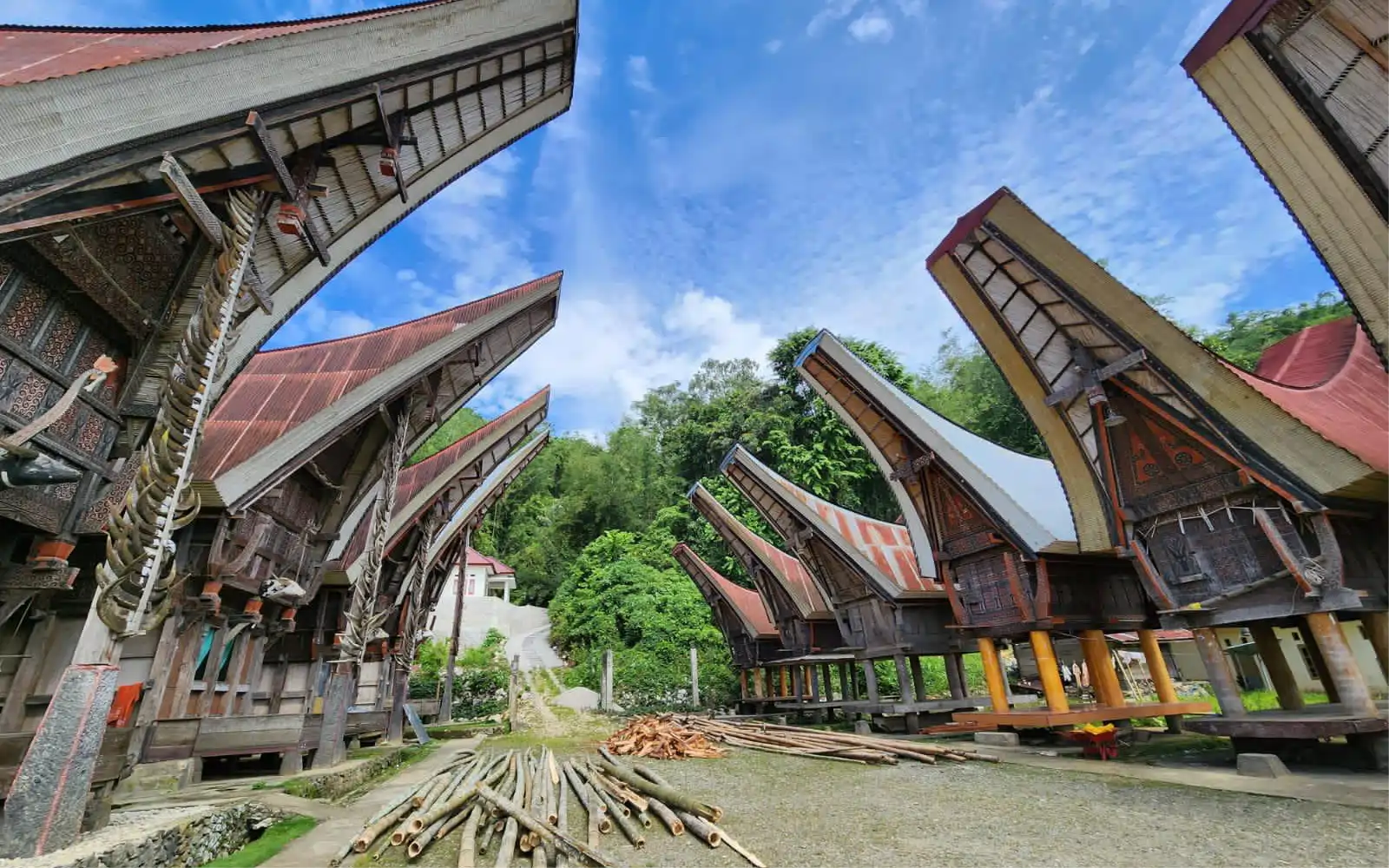
Within this understanding, a house carries family identity, cultivated land sustains continuity, and ceremonies express responsibilities between generations. The tongkonan, with its sweeping roof and carved timber walls, is an ancestral house around which kinship and belonging are organised.
Many Torajans today practise Christianity, while ancestral customs continue to influence family and community life. Religious identity and customary practice vary, and a contemporary ceremony should be understood in the context of the family holding it. A knowledgeable local guide helps explain these distinctions with care.
For further context, read our story on Toraja’s ancestral beliefs and modern life.
The Ritual Traditions of Toraja
Torajan ceremonial life is commonly understood through two broad spheres: Rambu Solo’, associated with death and mourning, and Rambu Tuka’, associated with life, wellbeing and thanksgiving. Knowing this distinction gives greater meaning to the traditions you may encounter.
Rambu Solo’: Farewell, Kinship and Responsibility
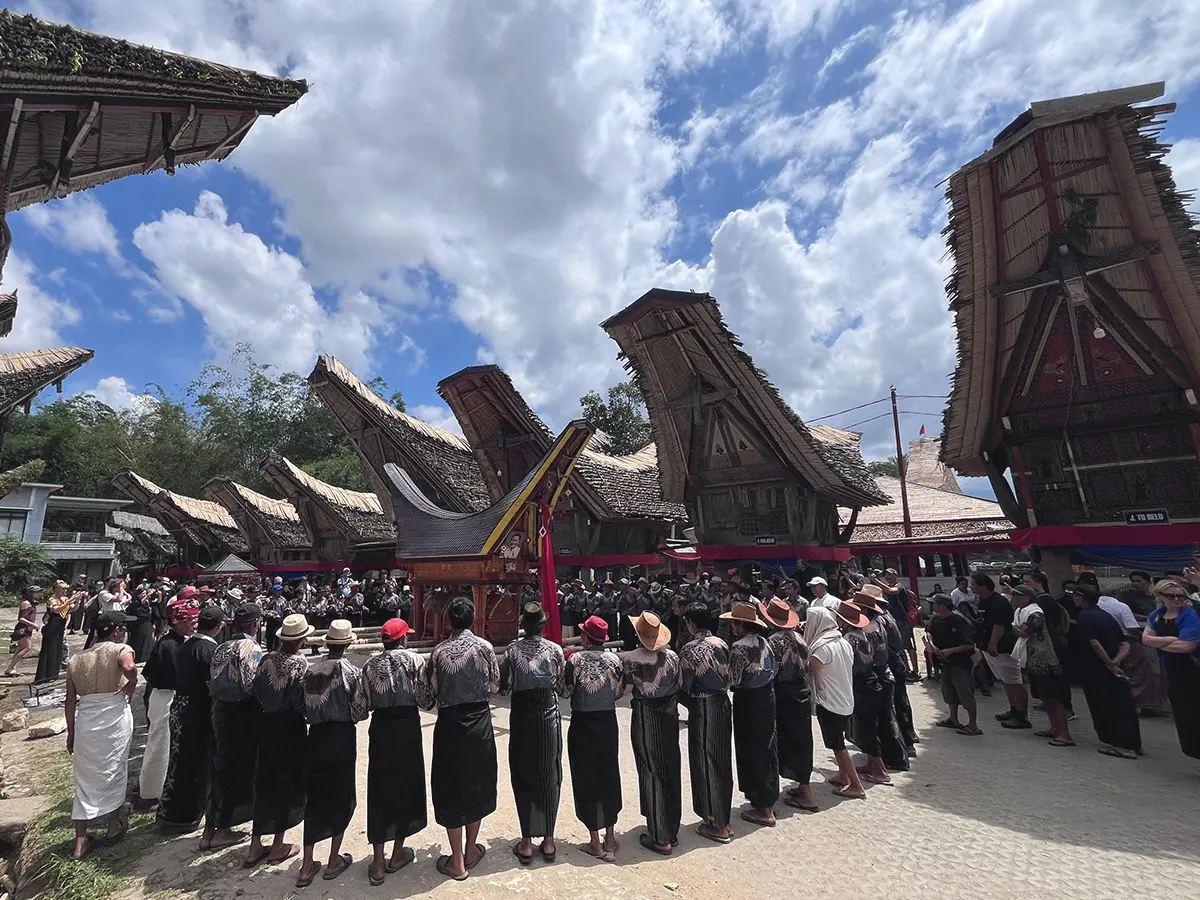
Rambu Solo’ is Toraja’s funerary tradition. In the ancestral worldview, its rites help accompany the deceased towards Puya, the realm of the dead. For the living, the ceremony brings relatives together to honour a life and fulfil shared obligations.
Depending on local custom and the family’s circumstances, proceedings may include receiving guests, processions, communal meals and animal sacrifice. Preparations can be extensive, and the timing is agreed by the family and customary leaders.
Visitors enter an occasion of mourning, hospitality and family responsibility. Your guide should explain what is taking place, introduce you appropriately and help you recognise when to observe quietly.
Rambu Tuka’: Thanksgiving and the Continuity of Life
Rambu Tuka’ encompasses ceremonies associated with gratitude, wellbeing and renewal. These traditions reveal the importance of celebrating and sustaining life within Torajan culture.
One example is Mangrara Banua, associated with the ceremonial dedication of a tongkonan following construction or renewal. Relatives gather around their ancestral house, reaffirming the relationships that give it meaning. Music, dance and shared hospitality may form part of the celebration, according to local practice.
Encountering such an occasion offers an intimate perspective on the house as a centre of family life.
Ma’nene’: Caring for Those Who Came Before
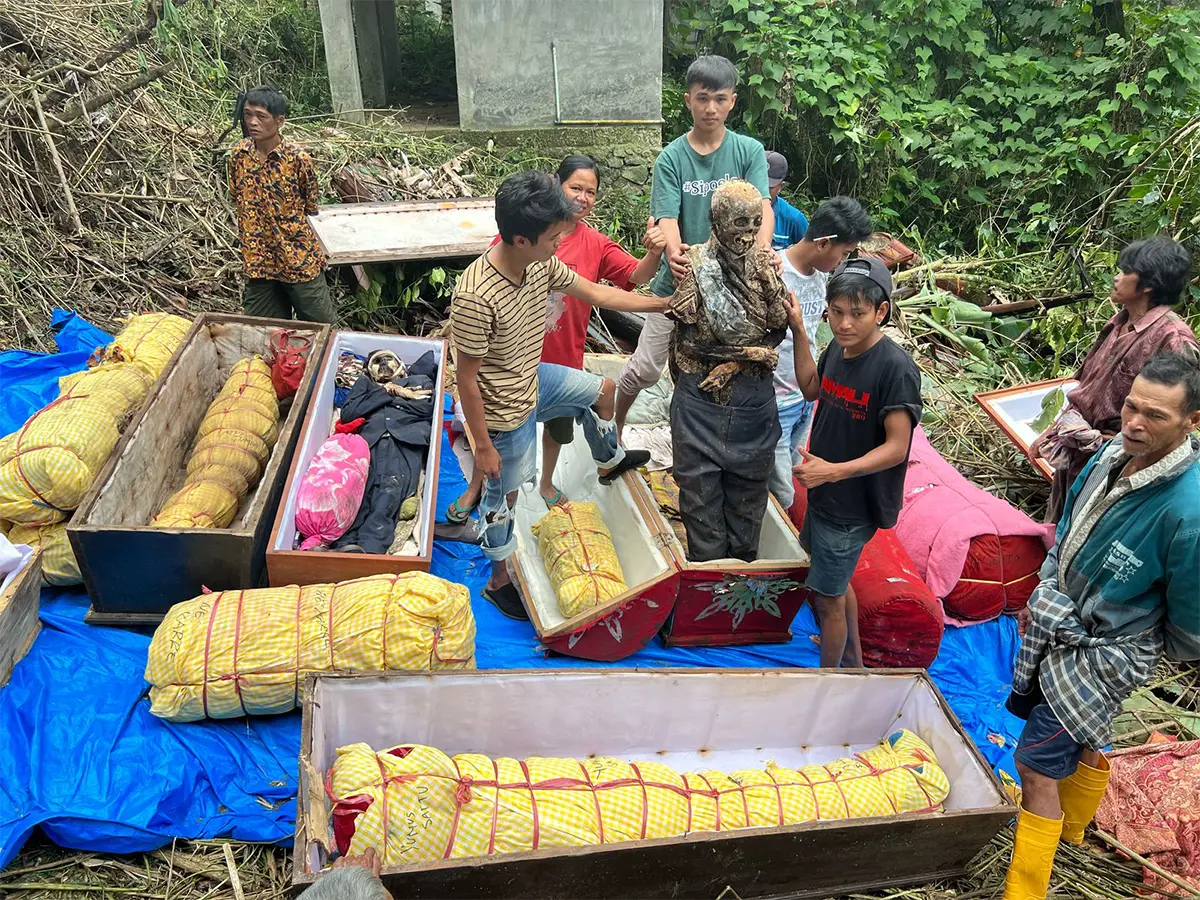
Practised in particular Torajan communities, Ma’nene’ is an expression of continuing care for deceased relatives. Families tend ancestral burial places and may clean, rewrap or change the clothing of preserved remains.
The tradition is frequently associated with August and the period after the rice harvest. Its frequency and timing differ between communities: some observe it annually, while others follow longer intervals. Arrangements must be confirmed locally.
At its heart are remembrance, affection and the renewal of family bonds. Any visit calls for sensitivity, especially around photography and the privacy of the families involved.
Experiencing Ceremonies with Respect
The most meaningful encounters begin with an invitation and an understanding of your place as a guest.
Dress modestly, follow your guide’s advice and ask before photographing people or intimate moments. Allow family members space to carry out their responsibilities. Where a contribution or gift is appropriate, your guide can explain the local custom.
Some ceremonies involve animal sacrifice. Discuss your preferences with your guide beforehand so your visit can be planned considerately.
At Pacébo, we approach these encounters through local guidance, communication with the hosts and respect for their decisions. A ceremony can enrich your journey when the circumstances are right; it remains the family’s occasion.
Make Time for Toraja’s Highlands
Toraja’s cultural depth is also found in its everyday landscapes. At Kete Kesu, tongkonan houses and rice barns invite a closer look at architecture and family heritage. Lemo and Londa introduce different burial traditions, while Bori Kalimbuang’s standing stones and the village paths around Batutumonga offer further perspectives on highland life.
Our four-day private Toraja tour from Makassar includes three nights in Toraja, combining cultural sites with time among the mountain villages. The journey also introduces the limestone waterways of Rammang-Rammang.
For a broader introduction to South Sulawesi, our five-day Toraja and Bugis journey continues to Sengkang, Lake Tempe and Bugis silk-weaving traditions.
If ceremonies are your main interest, we recommend discussing additional time in Toraja. A more flexible stay gives room to respond thoughtfully when local arrangements change.
Choose Your Toraja Tour with Care
There are many ways to book a Toraja tour, and choosing your operator deserves the same attention as choosing your itinerary.
Before committing, verify the provider’s business identity and registration. Ask who will guide you, which vehicle and hotel are included, and who takes responsibility if arrangements change. Look for a clear written itinerary, transparent inclusions and a team you can contact throughout your journey.
Be cautious about offers where these details remain unclear. A professional travel service should be able to explain both the experience it promises and how it will deliver it.
Your choice of operator shapes how comfortably you travel, how well you understand what you see, and how respectfully you are welcomed.
Discover Toraja with Pacébo
Pacébo has been creating journeys in Indonesia since 1988. Our expertise in Sulawesi brings together local knowledge, cultural understanding and the practical experience needed to organise a rewarding journey through Toraja.
We select expert local guides for their knowledge, communication and judgement. Their role is to help you understand the meaning of a carved house, the relationships within a village and the customs surrounding a family ceremony.
We give equal attention to your comfort. Well-maintained private vehicles, experienced drivers and carefully chosen hotels support each day’s exploration. We help you choose the accommodation and transport best suited to your expectations, with clear arrangements and personal support throughout the journey.
Our aim is to give you the fullest experience of Toraja: informed, comfortable and thoughtfully paced, with time to appreciate both its remarkable traditions and its quieter moments.
Tell us what draws you to the highlands. Whether your interests lie in ancestral rituals, village architecture, photography or walking, we will help shape your journey around them.